A local college will implement a to address the .
This fall, will launch in its new 25,000 square-foot Nursing Clinical Arts Center. The young nursing department features a traditional bachelor’s degree and a 15-month accelerated second-degree program, created for people who have bachelor’s degrees in another subject and want to become registered nurses. Both degrees prepare students for the national registration exam, .
Chestnut Hill College President Brian McCloskey said, “Creating a program where we have nurses going out into the community (and) helping people just aligns …
This item is available in full to subscribers.
You can also purchase this individual item for $1.50
We have recently launched a new and improved website. To continue reading, you will need to either log into your subscriber account, or purchase a new subscription.
If you are a digital subscriber with an active subscription, then you already have an account here. Just reset your password if you've not yet logged in to your account on this new site.
If you are a current print subscriber, you can set up a free website account by clicking here.
Otherwise, click here to view your options for subscribing.
Please log in to continue |




A local college will implement a to address the .
This fall, will launch in its new 25,000 square-foot Nursing Clinical Arts Center. The young nursing department features a traditional bachelor’s degree and a 15-month accelerated second-degree program, created for people who have bachelor’s degrees in another subject and want to become registered nurses. Both degrees prepare students for the national registration exam, .
Chestnut Hill College President Brian McCloskey said, “Creating a program where we have nurses going out into the community (and) helping people just aligns perfectly with the college’s mission and the mission of our sponsors, the Sisters of Saint Joseph, where we serve everyone without distinction.”
McCloskey said the growing demand for healthcare workers in the U.S. was a driving force for the creation of the program. The International Council of Nurses and called on officials to declare a global health emergency.
Dwindling population, greater need
In the U.S., the registered nursing workforce is projected to grow 6% over the next decade, according to the But at the same time, nearly a fifth of nurses or are set to retire by 2027, according to the The COVID-19 the survey shows.
“That population is dwindling while the healthcare profession is becoming increasingly complex,” said Dr. Susan Apold, a professor and the college’s director of nursing. “The need for nurses has never, ever been so great.”
The college will welcome about 60 nursing students across the two programs this fall, Apold said. Most are local to the Philadelphia and surrounding metro area, Apold said. Twenty students received partial scholarships, thanks to a gift from a local donor, McCloskey said.
Apold, who designed the curriculum, said Chestnut Hill College’s programs are unique in that students will spend more hours in the field compared to the typical nursing student. They will spend most of their time in the classroom during the first six weeks, and will eventually work in a clinical setting for up to three days a week. The college partnered with 20 clinical sites, including Meadowood Senior Living in Worcester Township; Chestnut Hill Hospital; the Temple University Hospital system; the Cooper University Hospital system, which is based in New Jersey; and St. Joseph Villa in Flourtown, a sponsored ministry of the Sisters of St. Joseph.
The more exposure students have to patients and healthcare systems, the more confident they are likely to feel when they graduate, Apold said.
“I want them to be competent, but I want them to have the tools that they need to think critically and to develop themselves,” Apold said. “And I want them to be safe at the same time. I want them to take care of themselves as much as they’re taking care of patients.”
As a nurse practitioner in primary care, Apold understands it’s easy for healthcare providers to .
“You see a lot. It can be overwhelming,” she said.
Caring for the caregivers
Chestnut Hill College’s new programs have a self-care component. The faculty will take students on a once-a-semester retreat to the Cranaleith Spiritual Center in Northeast Philadelphia to discuss the profession’s impact on their mental health, and the college’s Counseling Center will offer stress reduction activities to students.
In addition, both programs will require at least one course devoted to health issues in the aging population. The 65-and-older population is growing in the U.S., . Students will need to understand the age group’s health needs to prepare for the field, Apold said.
“We are going to spend time certainly talking about some pathologies that are seen in higher numbers in ages over 65 but we’re also going to be talking about some of the socioeconomic realities that the population confronts,” she said.
Along with the department, the college’s Nursing Clinical Arts Center will open to students this month.
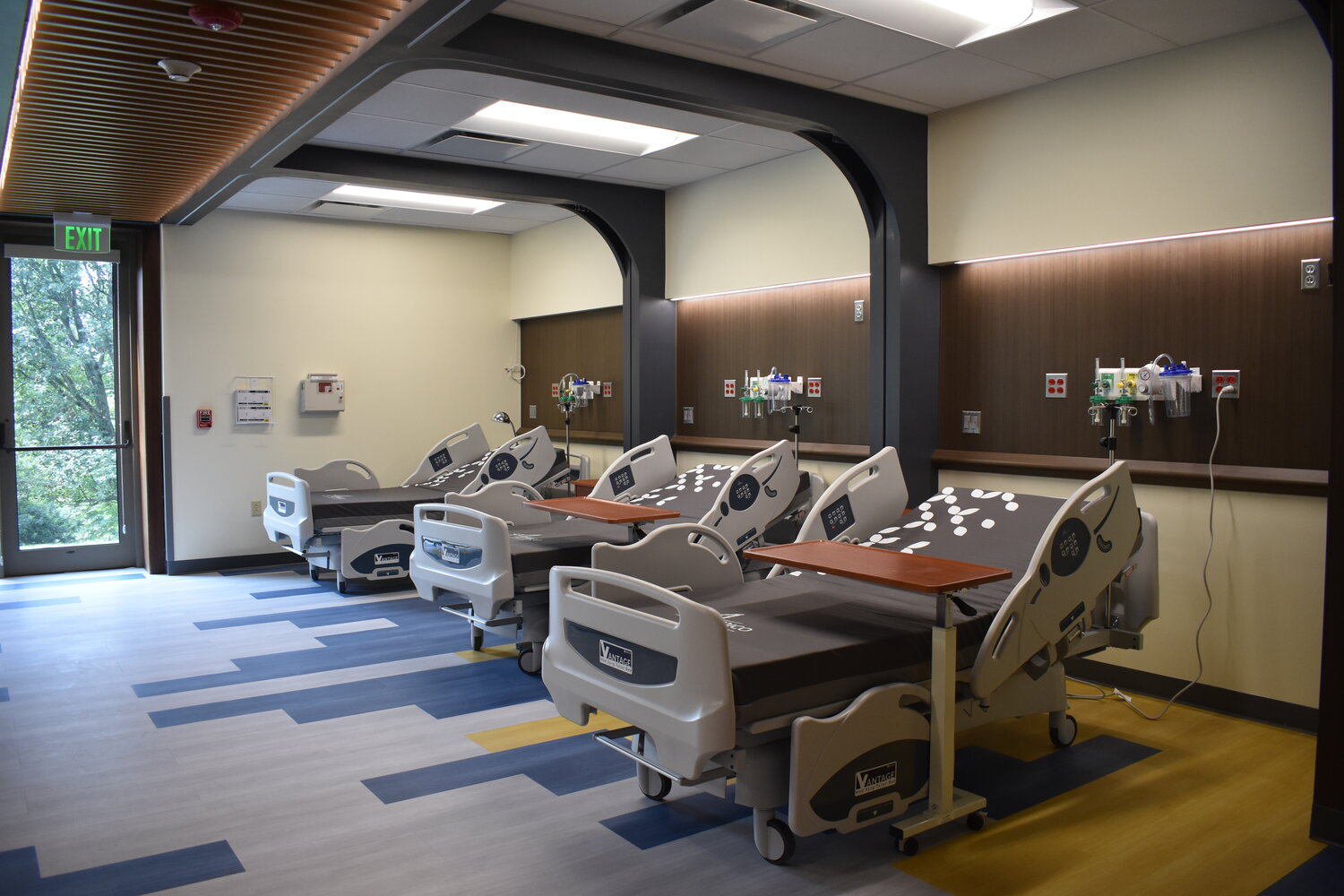
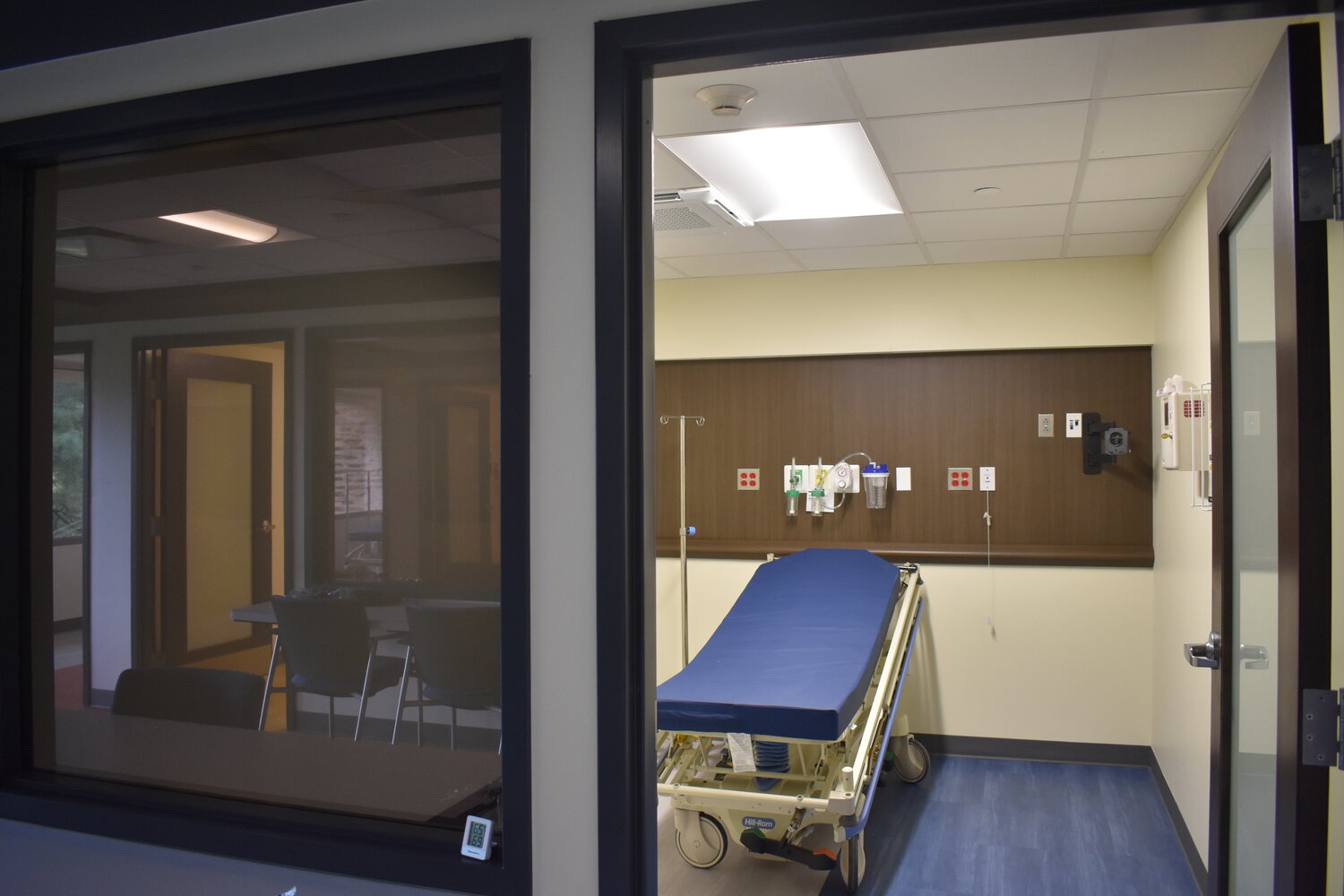
Located on the college’s SugarLoaf Campus, the center contains features such as student lounges, a health assessment lab, a skills lab, office spaces, high-tech medical mannequins, and more. The college is also working to upgrade the science labs in St. Joseph Hall on the main campus to coincide with the new nursing program.
The university raised $4.5 million from private donors and grants to turn the SugarLoaf conference center into nursing classrooms and simulation labs. The state of Pennsylvania provided $400,000 through its a media representative for the college confirmed.
Apold said she hopes the program will give students the tools and self assurance to continue learning in the field once they graduate.
“I cannot articulate the pride that I have in being a nurse. It’s the proudest accomplishment of my life,” she said. “I know that my passion for nursing is contagious, and I know that the students will take that with them, and hopefully their passion for nursing will be a good ‘pay it forward.’”
The two programs were approved by the Pennsylvania Board of Nursing and the Middle States Commission on Higher Education. Apart from Apold, the faculty members will include Professor Susan Rux; Associate Professor Sharon Mingo; Briana Renois Antwi, director of simulation; and innovation and clinical skills educator Robin Bankhead.
Abby Weiss is an environmental reporter for the Local and a Report for America corps member. She can be reached at Abby@chestnuthilllocal.com.



