When people step off the train at Chestnut Hill West station, they are greeted by an array of tulips, daffodils and serviceberry trees. There are three young oaks and a black gum tree planted on the “SEPTA Green” and rising redbuds on the parking lot hill. Behind TD bank on 8600 Germantown Ave., visitors can see creeping purple blue phlox and an Appalachian red bud.
The flourishing site is a byproduct of a volunteer-led group’s effort to beautify train stations and other public spaces throughout Chestnut Hill. The Chestnut Hill Train Station Native Gardens initiative, led by resident …
This item is available in full to subscribers.
You can also purchase this individual item for $1.50
We have recently launched a new and improved website. To continue reading, you will need to either log into your subscriber account, or purchase a new subscription.
If you are a digital subscriber with an active subscription, then you already have an account here. Just reset your password if you've not yet logged in to your account on this new site.
If you are a current print subscriber, you can set up a free website account by clicking here.
Otherwise, click here to view your options for subscribing.
Please log in to continue |


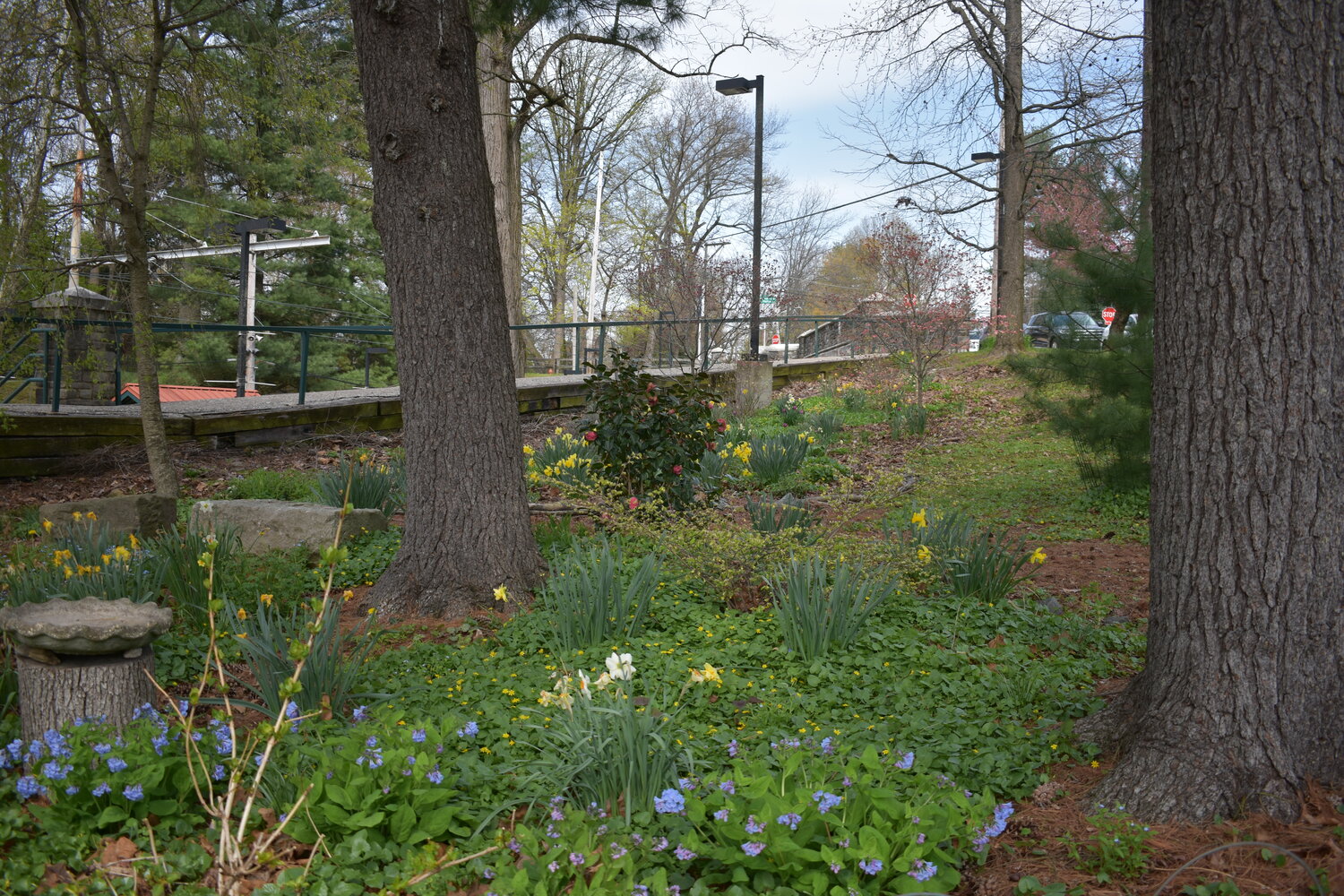
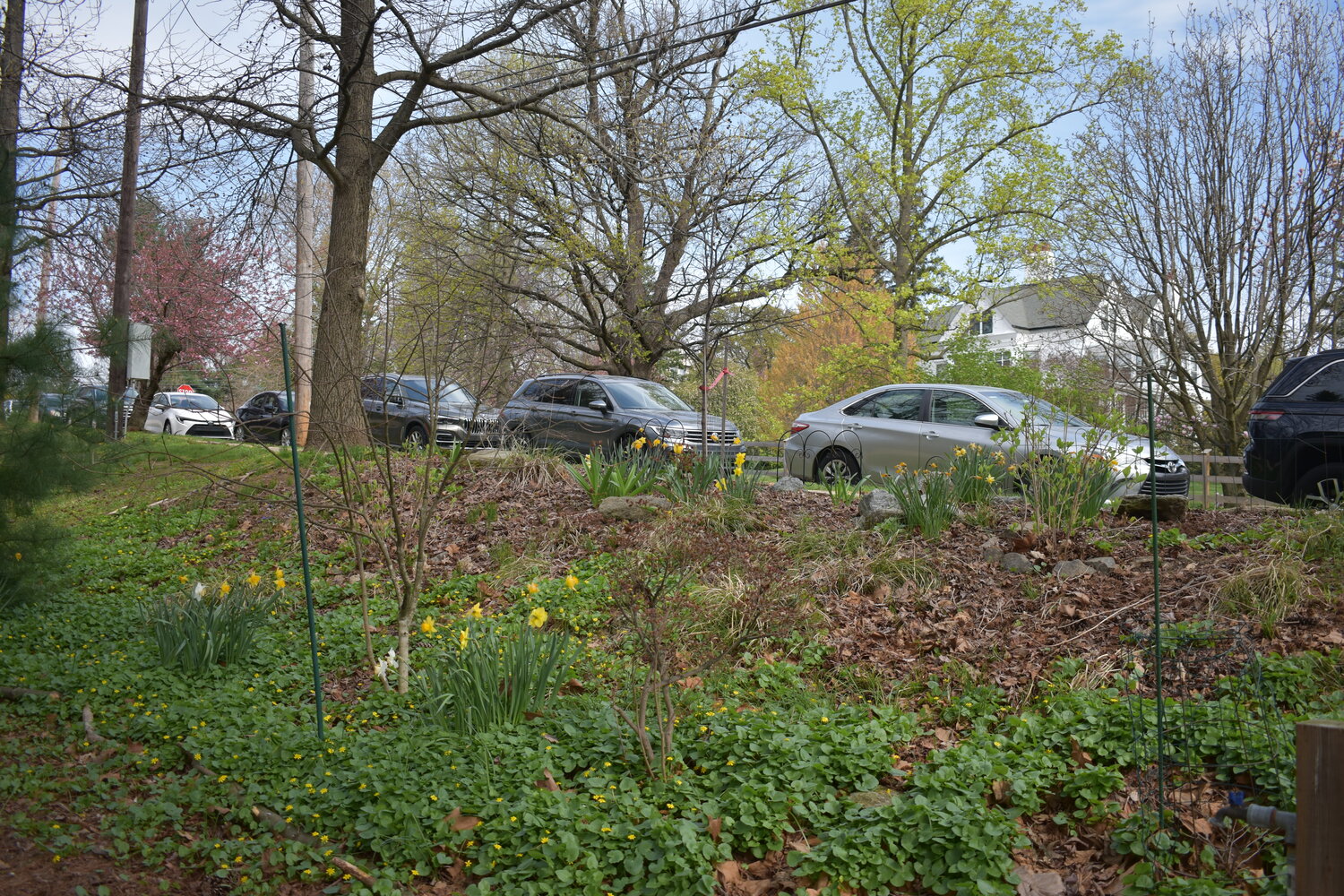


When people step off the train at Chestnut Hill West station, they are greeted by an array of tulips, daffodils and serviceberry trees. There are three young oaks and a black gum tree planted on the “SEPTA Green” and rising redbuds on the parking lot hill. Behind TD bank on 8600 Germantown Ave., visitors can see creeping purple blue phlox and an Appalachian red bud.
The flourishing site is a byproduct of a volunteer-led group’s effort to beautify train stations and other public spaces throughout Chestnut Hill. The Chestnut Hill Train Station Native Gardens initiative, led by resident Beth Wright, is cultivating gardens at Highland Station, Evergreen Aisle and the West Highland Co-op parking lot entrance.
As spring begins, Wright and the core group of volunteers are gearing up for another year filled with pruning trees and hedges, edging garden beds, picking up litter, mulching trees and planting new species, most of which are native to the area.
“I’m in a position now in my life that I can take a leadership role in some way in making our community beautiful,” Wright said.
Wright began the project in 2020 at SEPTA’s Highland Station Park and Ride after retiring from her career as a development executive. The historic spot was plagued by overgrown shrubs and vines and dead branches. The native garden was a way for her to channel her work ethic and passion for the environment. She regularly cleans up litter around the gardens and in the neighborhood.
Train stations also provide fallow ground and serve as some travelers’ first impression of Chestnut Hill, she said.
“I had to use the train for years before I retired, and it was an obvious opportunity to make some people happy or smile, because they see some beauty when they come off the train,” Wright said.
Though Wright planted the initial seed, the native garden plantings have branched out to multiple locations with the help of local gardeners, landscapers, community donors, the City of Philadelphia and Chestnut Hill organizations. She collaborates with SEPTA, TD Bank and the Public Parking Authority, which manages the lot at Highland Station. SEPTA donated trees and the Philadelphia Department of Public Property installed water spigots.
As a self-taught horticulturalist, Wright said she relies on the knowledge of landscapers and other industry experts in Chestnut Hill for the gardens. Neighbors approach her and volunteer to help, she said.
“There’s lots of great minds in our community. That is a major constituency for us. They also care about Chestnut Hill,” Wright said.
Local landscapers like Susan Galka and Christopher Sohnly assisted with the Highland Station project, she said. Sohnly told the Local that Wright’s gardens help promote native plants, which offer significant ecological benefits.
“And it’s improved the overall appearance of Chestnut Hill,” he said.
Apart from mobilizing volunteers, Wright has secured financial support from community members. Since 2020, the effort has received $21,793 in funds from community members, the Chestnut Hill Community Association, the Weavers Way Environmental Fund and the Chestnut Hill Business District.
She used a Philadelphia Foundation grant to install a fence in front of the Highland Station train tracks and around the site’s Native Educational Garden to stave off deer. This year, Wright plans to finish renovating the bluestone path in the native garden at Highland Station, as well as install signage and plant labeling.
The gardens are in various stages of growth. The ones at Highland Station and Chestnut Hill West station, which received its first plantings in 2023, are more mature than the Evergreen Aisle along the lower Chestnut Hill West station. That project began in 2024.
The most recent plantings took place at the West Highland Co-Op parking lot entrance in 2025. Acadia Regional Property and Capelli Property services employees removed dying and invasive trees and planted two native swamp white oak, a creepy juniper and dwarf hydrangea. Wright and other volunteers added daffodils.
One benefit of the preserves is the reemergence of wildlife. Spectators have spotted various creatures — such as the monarch butterfly, eastern milk snake and common bumble bee — at the train station gardens. There is a thriving bird population of robins and mourning doves at Highland Station by the Native Educational Garden, Wright said. You can often see mourning doves by the Truist bank at Chestnut Hill West due to the seeds that collect in the cobblestones, she said.
Horticulturalist Denis Lucey, who regularly assists Wright with the gardens, said he’s been encountering garter snakes, toads and other animals whose populations declined when there was a greater use of artificial fertilizers and pesticides on plants.
“They’re just beautiful. I don’t remember us finding many of them 10 years ago,” he said.
Wright hopes her work will “plant a seed in someone else’s mind” to help improve their surrounding environment, whether it’s picking up trash or gardening. The beauty of Chestnut Hill shouldn’t be taken for granted, she said.
“Chestnut Hill isn’t this way by accident,” Wright said. “It takes a lot of work from people across the community to make it as beautiful and as thriving and as wonderful as it is.”
Abby Weiss is an environmental reporter for the Local and a Report for America corps member. She can be reached at abby@chestnuthilllocal.com.



