Environmental activists have taken a major legal step in their efforts to lower rate hikes proposed by Philadelphia Gas Works (PGW) and encourage the city’s transition toward clean energy.
Energy Justice Advocates, a coalition of organizations represented by Earthjustice, an environmental law organization, rallied at City Hall on Aug. 20 to announce the filing of a proposed settlement agreement with Philadelphia’s municipally-owned gas utility. The settlement, filed with the Pennsylvania Utility Commission on Aug. 7, would lower PGW’s proposed yearly rate increase by 40%, …
This item is available in full to subscribers.
You can also purchase this individual item for $1.50
We have recently launched a new and improved website. To continue reading, you will need to either log into your subscriber account, or purchase a new subscription.
If you are a digital subscriber with an active subscription, then you already have an account here. Just reset your password if you've not yet logged in to your account on this new site.
If you are a current print subscriber, you can set up a free website account by clicking here.
Otherwise, click here to view your options for subscribing.
Please log in to continue |


Environmental activists have taken a major legal step in their efforts to lower rate hikes proposed by Philadelphia Gas Works (PGW) and encourage the city’s transition toward clean energy.
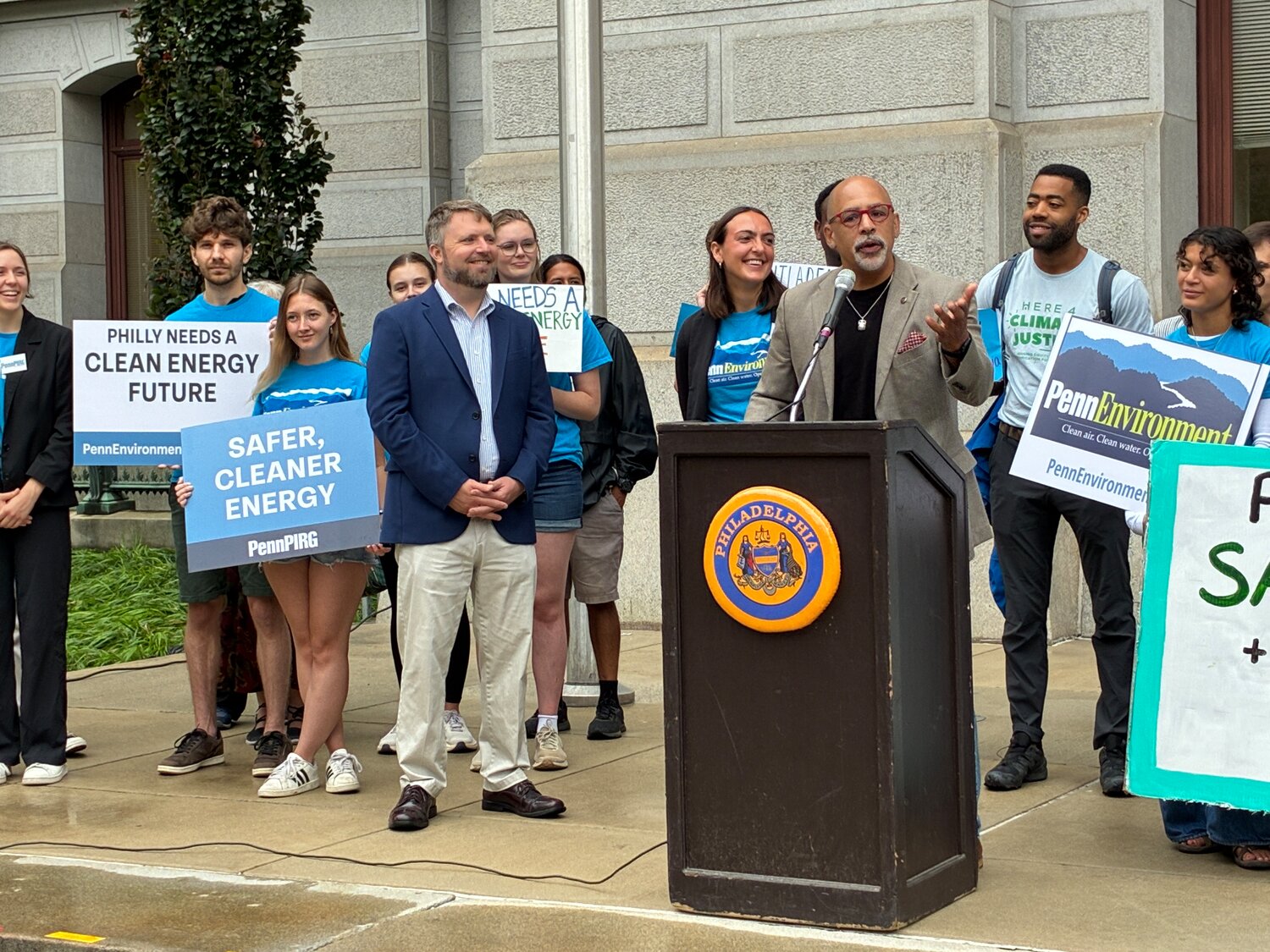
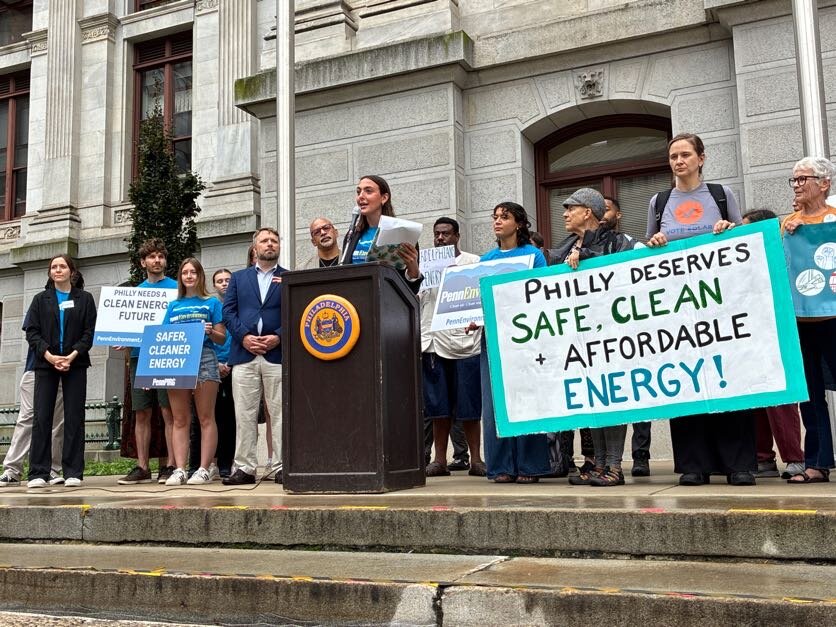
Energy Justice Advocates, a coalition of organizations represented by Earthjustice, an environmental law organization, rallied at City Hall on Aug. 20 to announce the filing of a proposed settlement agreement with Philadelphia’s municipally-owned gas utility. The settlement, filed with the Pennsylvania Utility Commission on Aug. 7, would lower PGW’s proposed yearly rate increase by 40%, from $105 million to $62 million.
“Everyone gathered here today is here because we want real solutions to make sure Philadelphians have clean, safe, affordable energy powering our lives,” said Flora Cardoni, deputy director of PennEnvironment, an organization that is part of Energy Justice Advocates. The coalition also includes PennPIRG, POWER Interfaith, Sierra Club Pennsylvania, Physicians for Social Responsibility Pennsylvania, Clean Air Council, and Vote Solar.
Required public input
According to the Public Utility Commission, the PGW’s original proposed rate hike for fiscal year 2026 would have raised the average residential customer’s monthly bill from $92.50 to $104.61.
The settlement agreement requires PGW to receive public input on its plan to reduce greenhouse gas emissions in Philadelphia. The city has committed to reaching net zero emissions by 2050. In recent years, health and climate advocates called on PGW to transition away from natural gas and use cleaner sources, such as geothermal energy. According to the 2022 Greenhouse Gas Inventory Report, natural gas is the primary fuel used for heating and cooking in Philadelphia and is a key source of climate pollution in the city.
The City of Philadelphia’s overall emissions have declined, but it’s unclear how PGW will contribute to the long-term, zero-emissions goal. The settlement requires two community engagement meetings from PGW, but doesn’t require the utility to act on feedback.
Cardoni said in an email the process would require the first-ever meeting open to the general public to comment on long-term greenhouse gas reduction strategies for PGW’s future.
“This will give a voice to environmental justice communities in Philadelphia to have their voice heard about the future of the gas utility, which is an important step in the right direction. Though, of course, more work needs to be done to ensure that all Philadelphians are able to heat their homes and cook their food with clean, safe, affordable energy,” Cardoni said in the email.
At the rally, State Rep. Chris Rabb (D) called PGW, “not-yet Philadelphia Geothermal Works.”
“PGW needs to be on the right side of history and I believe it will be, and it’s because of all you coming together to make it happen,” Rabb said. “And I believe PGW and its leadership can and will do the right thing. We just have to keep them accountable just like you all keep us elected officials accountable.”
Customer surcharge removed
An administrative judge has to approve the settlement before referring it to the Pennsylvania Public Utility Commission, which is set to make a final decision on PGW’s rate case later this year. The new rates are expected to take effect after Nov. 28, PGW said in a press release.
A spokesperson for PGW said the utility “cannot comment on pending proceedings,” but attached a link to PGW’s release, which stated, “PGW believes that the Settlement is in the best interests of PGW and its customers and provides customer service enhancements that will benefit low-income and residential customers.”
PGW proposed the rate increases in February. Earlier this year, the utility requested information about members of advocacy groups involved in the ratemaking case, but a judge denied PGW the information after the groups objected and claimed the move was a violation of their First Amendment rights.
In addition to the rate decrease, the settlement would remove PGW’s proposed revenue guarantee, a surcharge PGW would impose on customers if the company’s revenue falls short of spending.
Because winters in Philadelphia are getting warmer, the utility also agreed to reevaluate the way it calculates “normal” weather to consider the the impact of climate change. In warmer-than-normal winters, when customers use less gas, PGW can add a charge to compensate for the loss. PGW then applies a credit to bills during colder than normal periods.
The settlement agreement would also enhance and expand programs for low-income ratepayers. It would improve PGW’s Customer Responsibility Program, which provides financial assistance to low-income customers, and increase PGW’s Low Income Usage Reduction Program budget to $9 million in 2026. The program would help low-income customers save energy by weatherizing their homes, or protecting the interior against outside weather.
Patrick Houston, campaign manager for Here 4 Climate Justice, said at the rally, “Weatherization reduces energy consumption, reduction in energy consumption also reduces energy costs.” Houston added that Philadelphians pay some of the highest energy bills relative to their income when compared to other U.S. cities. That burden will worsen as the city faces extreme heat and other effects of climate change.
“Everyone deserves to have the clean energy that they need at the costs they can afford, so that they can stay warm in the winter and stay cool in the summer. And no one should have to deal with the mental and physical stress of inadequate energy and sky-high energy bills,” he said. “At this time especially, it is critical for local cooperation and action to move toward solutions that help.”
Apart from PGW, the settlement was negotiated alongside and signed on to by the Public Utility Commission’s Bureau of Investigation and Enforcement, the Office of Consumer Advocate, Office of Small Business Advocate, Tenant Union Representative Network, and Coalition for Affordable Utility Services and Energy Efficiency in Pennsylvania.
Abby Weiss is an environmental reporter for the Local and a Report for America corps member. She can be reached at Abby@chestnuthilllocal.com.



