Muslims across Philadelphia are gearing up for the arrival of Ramadan, the holiest month in the Islamic calendar. Expected to begin at sundown on Friday, Feb. 28, Ramadan marks a period of intense spiritual reflection, fasting, prayer and charity. The exact start of the month depends on the sighting of the crescent moon, which signals the beginning of the sacred observance.
Ramadan holds deep significance as it commemorates the first revelation of the Quran to Prophet Muhammad. During the month, Muslims fast from dawn to sunset, abstaining from food, drink, and other physical needs. This …
This item is available in full to subscribers.
You can also purchase this individual item for $1.50
We have recently launched a new and improved website. To continue reading, you will need to either log into your subscriber account, or purchase a new subscription.
If you are a digital subscriber with an active subscription, then you already have an account here. Just reset your password if you've not yet logged in to your account on this new site.
If you are a current print subscriber, you can set up a free website account by clicking here.
Otherwise, click here to view your options for subscribing.
Please log in to continue |
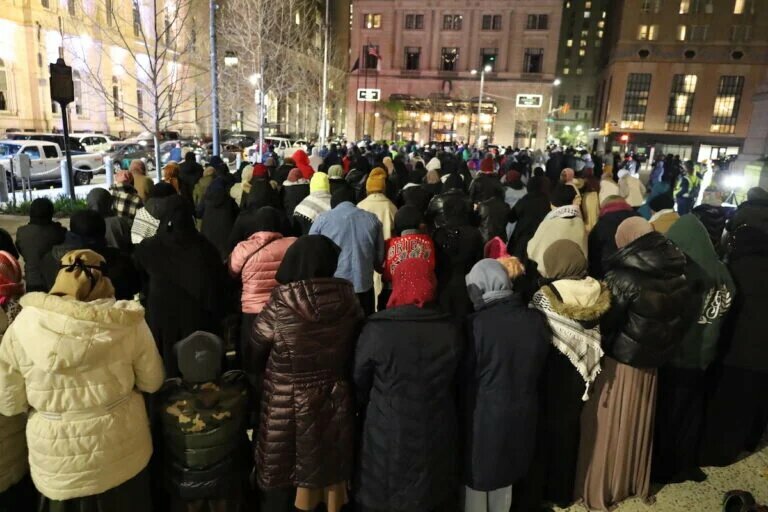
Muslims across Philadelphia are gearing up for the arrival of Ramadan, the holiest month in the Islamic calendar. Expected to begin at sundown on Friday, Feb. 28, Ramadan marks a period of intense spiritual reflection, fasting, prayer and charity. The exact start of the month depends on the sighting of the crescent moon, which signals the beginning of the sacred observance.
Ramadan holds deep significance as it commemorates the first revelation of the Quran to Prophet Muhammad. During the month, Muslims fast from dawn to sunset, abstaining from food, drink, and other physical needs. This fast serves as both a physical and spiritual exercise in self-discipline.
“Ramadan is the dedicated time of year that we as Muslims sincerely focus on exercising control over ourselves; to better regulate our lives, living in accordance with the tenants of our way of life, Al-Islam,” Imam Idris Abdul-Zahir has written in the Local,
While fasting is obligatory for all able-bodied Muslims who have reached puberty, exceptions are made for those who face hardships, including people who are sick, pregnant or nursing women, along with travelers and older adults. For many, Ramadan is not just a time of spiritual focus but also a highly social time, as families and communities gather for prayers and meals.
Philadelphia is set to host a range of events during Ramadan, bringing the community together to celebrate and reflect. On March 6, the Muslim Students Association of Penn State Abington will host a special Ramadan Iftar at Lubert Commons from 4 p.m. to 7 p.m. Attendees are invited to dress elegantly and modestly as they come together to break their fast.
For families, the Please Touch Museum is holding a Ramadan program on March 8. The event will feature a special percussion performance, lantern-making in the Makerspace, and Arabic calligraphy lessons in the Creative Arts Studio. Families can also explore the challenge of designing and building their own lanterns to celebrate the season.
One of the highlights of Ramadan in Philadelphia will be the 2025 Ramadan Iftar Dinner hosted by the Philadelphia Ramadan & Eid Fund, scheduled for March 14 at Philadelphia City Hall. The event promises a festive atmosphere with food, prayer, and community spirit, and tickets are available for purchase.
The end of Ramadan brings the joyful holiday of Eid al-Fitr, a celebration of the breaking of the fast. Families and friends gather for a special prayer and a sermon, followed by community celebrations filled with food, gifts, and games. Children often receive new clothes, money, or gifts, and the greeting "Eid Mubarak" is exchanged, meaning “blessed holiday.”



