Last fall, a developer withdrew an application to build an artificial intelligence data center in nearby Plymouth Township over a legal issue.
Patti Smith, who lives near the proposed site in Conshohocken, anticipates the township will face more data center proposals in the future, including from the same developer. And she wants local officials to be better prepared when that happens.
Smith created a petition on Feb. 2 calling for newly elected Plymouth Township officials to institute a data center moratorium. The pause on data center development would give officials time to write and …
This item is available in full to subscribers.
You can also purchase this individual item for $1.50
We have recently launched a new and improved website. To continue reading, you will need to either log into your subscriber account, or purchase a new subscription.
If you are a digital subscriber with an active subscription, then you already have an account here. Just reset your password if you've not yet logged in to your account on this new site.
If you are a current print subscriber, you can set up a free website account by clicking here.
Otherwise, click here to view your options for subscribing.
Please log in to continue |
Last fall, a developer withdrew an application to build an artificial intelligence data center in nearby Plymouth Township over a legal issue.
Patti Smith, who lives near the proposed site in Conshohocken, anticipates the township will face more data center proposals in the future, including from the same developer. And she wants local officials to be better prepared when that happens.
Smith created a petition on Feb. 2 calling for newly elected Plymouth Township officials to institute a data center moratorium. The pause on data center development would give officials time to write and pass new regulations for these facilities before more proposals come in. These new laws would be designed to mitigate the potential harm on local residents and resources, she said.
“That pause is really crucial for us. Local governments are not prepared to deal with and understand the implications for data centers,” Smith told the Local.
The Change.org petition had more than 200 signatures as of Monday. If officials do not enact the moratorium, they must still create zoning ordinances for data centers, it reads. Officials must create the new rules “in coordination with groups that have community interests in mind and have a history of protecting water, air, power, and the environment,” the petition reads.
Lynne Viscio, vice chair of the Plymouth Township Council, declined to comment on behalf of the council.
As AI data center development accelerates across Pennsylvania, townships and municipalities have been rapidly amending their zoning ordinances to regulate these large facilities, including size and noise. Democratic Gov. Josh Shapiro has championed AI data center development in the state and fast tracked permitting for these projects. There has been an influx of data center proposals in southeastern Pennsylvania, which offers rural land, electrical infrastructure and water from the Schuylkill River to cool these facilities.
“It has been like a fire hose right now across Pennsylvania,” said Ginny Marcille-Kerslake, a senior organizer with Food & Water Watch and member of the West Whiteland Township Planning Commission. “And a lot of people don’t necessarily realize just how inundated communities are right now, because a lot of it is at the zoning level.”
Researchers say the air and noise pollution from AI data centers can bring human health risks. Residents who live by these facilities in other parts of the United States have reported water scarcity, rising electric bills and around-the-clock noise. The data center demand is leading to increasing power costs for the region’s grid operator, PJM Interconnection. There’s also concern over data centers’ contribution to global greenhouse gas emissions.
“There’s a rush to build this without careful consideration of the impacts to the community, the impacts to our water resources, our energy resources, and environmental impacts,” Marcille-Kerslake said.
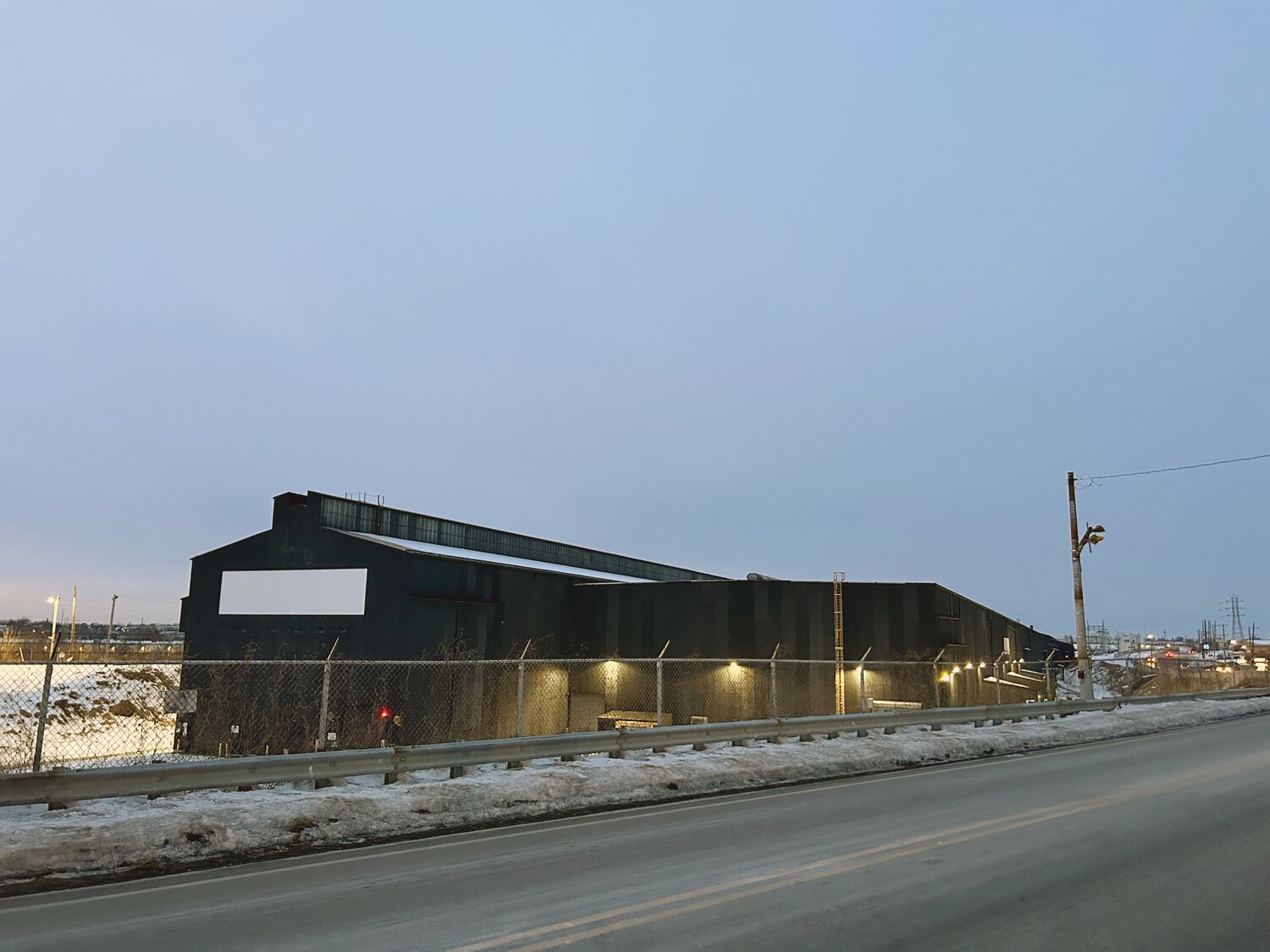
In Plymouth Township, longtime Conshohocken developer Brian O’Neill planned to turn the steel mill into a 2 million square-foot data center along the Schuylkill River, promising it would bring jobs and tax revenue.
The zoning board denied O’Neill’s request to make a special exception for the data center at an October meeting. He was then forced to withdraw the application at a November zoning hearing, when an attorney for the property owner, steel company Cleveland-Cliffs, said an agreement of sale hadn’t been approved.
Smith said she anticipates O’Neill will return when the sales agreement is finalized. The Local has reached out to O’Neill’s King of Prussia-based firm MLP Ventures.
Smith and her roommate Genevieve Boland created a petition in October opposing the data center, which received nearly 1,200 signatures. She said she was disappointed by the project proposal’s lack of details about community impacts, such as water usage, noise pollution and the number of natural gas turbines that would be built to generate the facility. These turbines are known to emit formaldehyde, a hazardous air pollutant.
“I think the [zoning] ordinances need to call for more transparency on behalf of the developers as to what they actually plan to bring to these communities before they start approving things,” she said. “You need to have a complete application that has details of what the community impacts are going to be.”
She also hopes that town officials will require the developer to track any pollution through air quality monitors.
Advocates and lawmakers are considering moratoriums in other parts of the country. In December, Food & Water Watch, along with 200 other groups, called on the U.S. Congress to institute a data center moratorium on a national level until adequate regulations can be enacted “to fully protect our communities, our families, our environment and our health from the runaway damage this industry is already inflicting,” the letter reads.
In Pennsylvannia, Lackawanna County Commissioners are considering asking Shapiro for a two-year moratorium.
Lawmakers in Pennsylvania and New Jersey have introduced legislation to protect ratepayers from higher energy costs associated with data centers. And last week, the House Energy Committee postponed a vote on House Bill 2151, which would require state officials to draft a model ordinance for municipalities.
Shapiro focused on energy affordability in his Feb. 3 budget address, saying that data center developers must bring their own power generation or pay for new generation they’ll need to reduce the cost burden on ratepayers. His Governor’s Responsible Infrastructure Development (GRID) standards also require developers to commit to “strict transparency standards” and “the highest standards of environmental protection, especially water conservation,” he said in his address.
Marcille-Kerslake said House Bill 2151 only aims to speed up data center development, not protect residents and the environment. She also said the environmental protection standards Shapiro mentioned in his address are “woefully inadequate.”
“Our state legislators have expressed concern that we need to do something to protect people and the environment, and I would wholeheartedly agree. But the best thing, the thing that needs to be done right now is call for a moratorium,” she said.
Sen. Maria Collett, a Democrat who represents the 12th District across parts of Montgomery County, commented on Smith’s petition to the Local.
“I share my constituents’ concerns about hasty data center development in our neighborhoods, including here in Plymouth Township,” the statement reads. “That’s why I was pleased to hear about Governor Shapiro’s proposed GRID plan, which aims to set new standards to ensure that developers pay for their own power generation, improve transparency with local communities, and protect our environment. Unless and until residents are confident that data center projects won’t threaten our pocketbooks or our environment, they have no business setting up shop in our backyards.”



