The Richard Allen Lane Station was the first site along the Chestnut Hill West line to be leased to Ken Weinstein more than 20 years ago. Now that he has been granted five more stations to renovate, Richard Allen Lane can serve as a template for the others.
There are a number of factors that have contributed to the success of the Richard Allen Lane Station. The most visible is High Point Cafe (inside the station). It has been the focal point of the neighborhood with its “ethically sourced, locally roasted coffee, handmade pastries that change daily and with the seasons and …
This item is available in full to subscribers.
You can also purchase this individual item for $1.50
We have recently launched a new and improved website. To continue reading, you will need to either log into your subscriber account, or purchase a new subscription.
If you are a digital subscriber with an active subscription, then you already have an account here. Just reset your password if you've not yet logged in to your account on this new site.
If you are a current print subscriber, you can set up a free website account by clicking here.
Otherwise, click here to view your options for subscribing.
Please log in to continue |
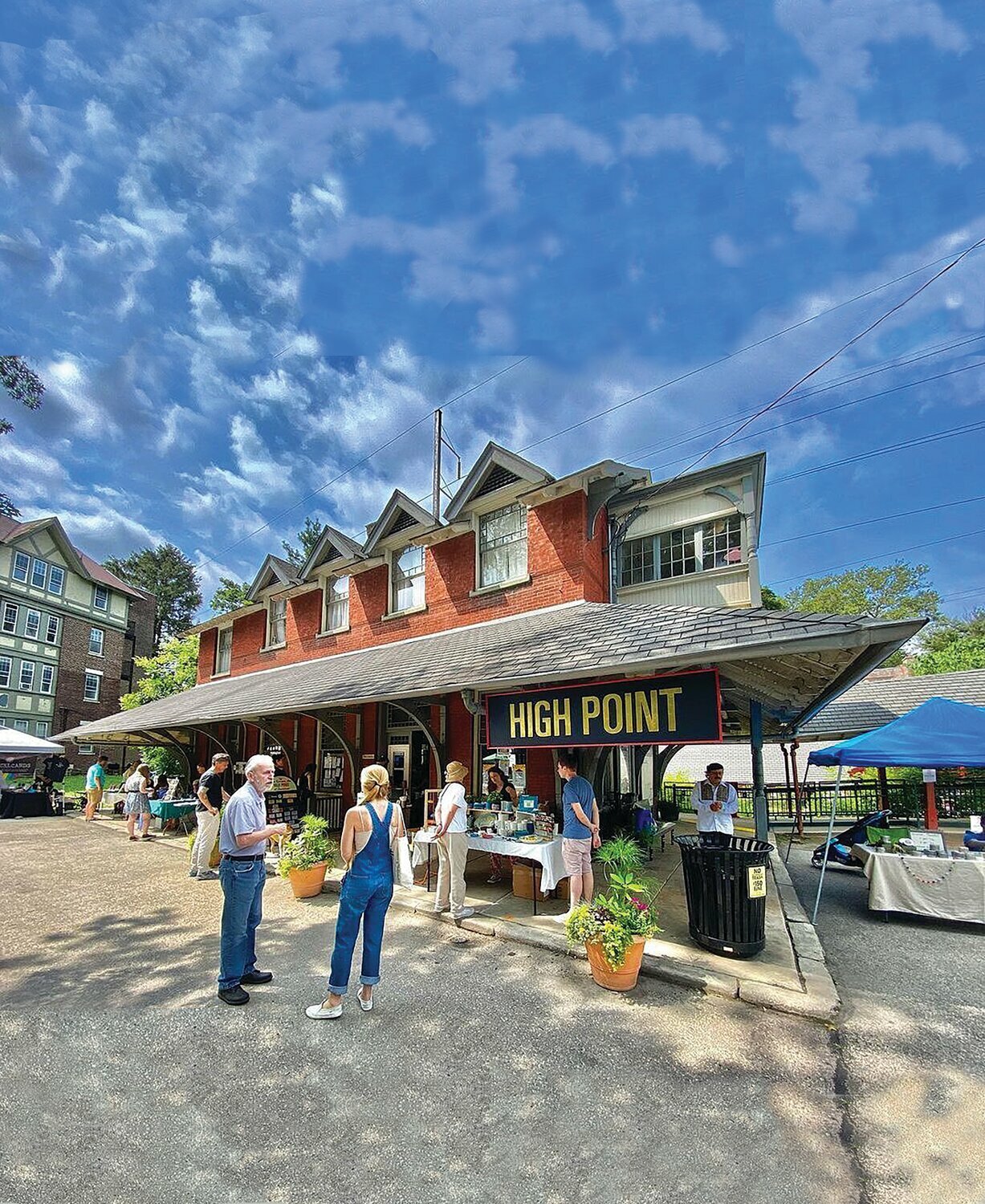
The Richard Allen Lane Station was the first site along the Chestnut Hill West line to be leased to Ken Weinstein more than 20 years ago. Now that he has been granted five more stations to renovate, Richard Allen Lane can serve as a template for the others.
There are a number of factors that have contributed to the success of the Richard Allen Lane Station. The most visible is High Point Cafe (inside the station). It has been the focal point of the neighborhood with its “ethically sourced, locally roasted coffee, handmade pastries that change daily and with the seasons and made-to-order crepes.”
Besides serving delicious fare, High Point’s half-dozen tables situated on the grounds of the train station have helped make this area the “public square” of the neighborhood. And its weekly Sunday market during the summer has featured dozens of craft vendors, live music, children’s activities, and food trucks, attracting visitors far beyond the immediate area.
Another factor that has been pivotal in the station’s success has been the neighborhood association, Cresheim Village Neighbors (CVN). This vibrant 37-year-old organization has supported High Point in various ways over the years, from financial contributions to meetings focused on ways to sustain the business. CVN has often coordinated its annual yard sale (on the grounds of the station) with the coffee shop and also greets new neighbors with gift cards to the café.
CVN has also raised funds over the years for the maintenance of the big pin oak tree standing proudly in front of the train station. A spin-off of CVN has been its Friends of Richard Allen Lane Station, which maintains the flower/plant beds on the grounds and coordinates the overall upkeep of the grounds and building with SEPTA.
When the infrastructure of the station was in a total state of disrepair years ago, CVN was instrumental in bringing its plight to the attention of SEPTA, prompting its complete renovation (e.g., rebuilt pedestrian bridge and shelters, raised platforms, ADA-compliant ramps). And when the Allens Lane bridge was reconstructed a few years ago, CVN provided input in PennDOT’s plans, which included restoration of the station grounds near the bridge.
A third factor was State Rep. Chris Rabb and Councilmember Cindy Bass. The Allen Lane Station was originally named for William Allen, a wealthy merchant, British Loyalist and enslaver. Rabb enlisted the aid of Bass, who introduced a resolution in Council securing the name change to the Richard Allen Lane Station, honoring a prominent advocate of racial equality and founder of the African Methodist Episcopal (AME) Church. By doing so, the new name more accurately reflects the values of the community.
Perhaps the least visible factor contributing to the station’s success — but the most influential — was Ken himself. Almost 30 years ago, he performed the initial restoration and renovation of the dilapidated station building under a stewardship lease with SEPTA. He incurred all the cost of restoring and renovating the building to the standards necessary to attract and maintain the first coffee shop, Coffee Junction, for the first eight years of the lease, and later, High Point. He also created and has maintained an attractive apartment on the second floor.
While other factors will contribute to the viability of the five newly leased train stations in the coming years, the Richard Allen Lane Station can certainly serve as a guide for what has worked well.



