Shea butter can be magical for anyone with dry skin, whether it’s due to winter-suppressed humidity or forced hot air heat.
It’s fat extracted from the seed of the shea tree, which is indigenous to much of the savanna of central Africa. In the regions where these trees are indigenous, shea butter is used as a cooking oil and in many other applications. In the United States and Europe, it’s used for its moisturizing and emollient properties.
Raw and unrefined shea is often ivory to grayish yellow. It is solid at room temperature and can have a nutty aroma. It will begin to melt …
This item is available in full to subscribers.
You can also purchase this individual item for $1.50
We have recently launched a new and improved website. To continue reading, you will need to either log into your subscriber account, or purchase a new subscription.
If you are a digital subscriber with an active subscription, then you already have an account here. Just reset your password if you've not yet logged in to your account on this new site.
If you are a current print subscriber, you can set up a free website account by clicking here.
Otherwise, click here to view your options for subscribing.
Please log in to continue |
Shea butter can be magical for anyone with dry skin, whether it’s due to winter-suppressed humidity or forced hot air heat.
It’s fat extracted from the seed of the shea tree, which is indigenous to much of the savanna of central Africa. In the regions where these trees are indigenous, shea butter is used as a cooking oil and in many other applications. In the United States and Europe, it’s used for its moisturizing and emollient properties.
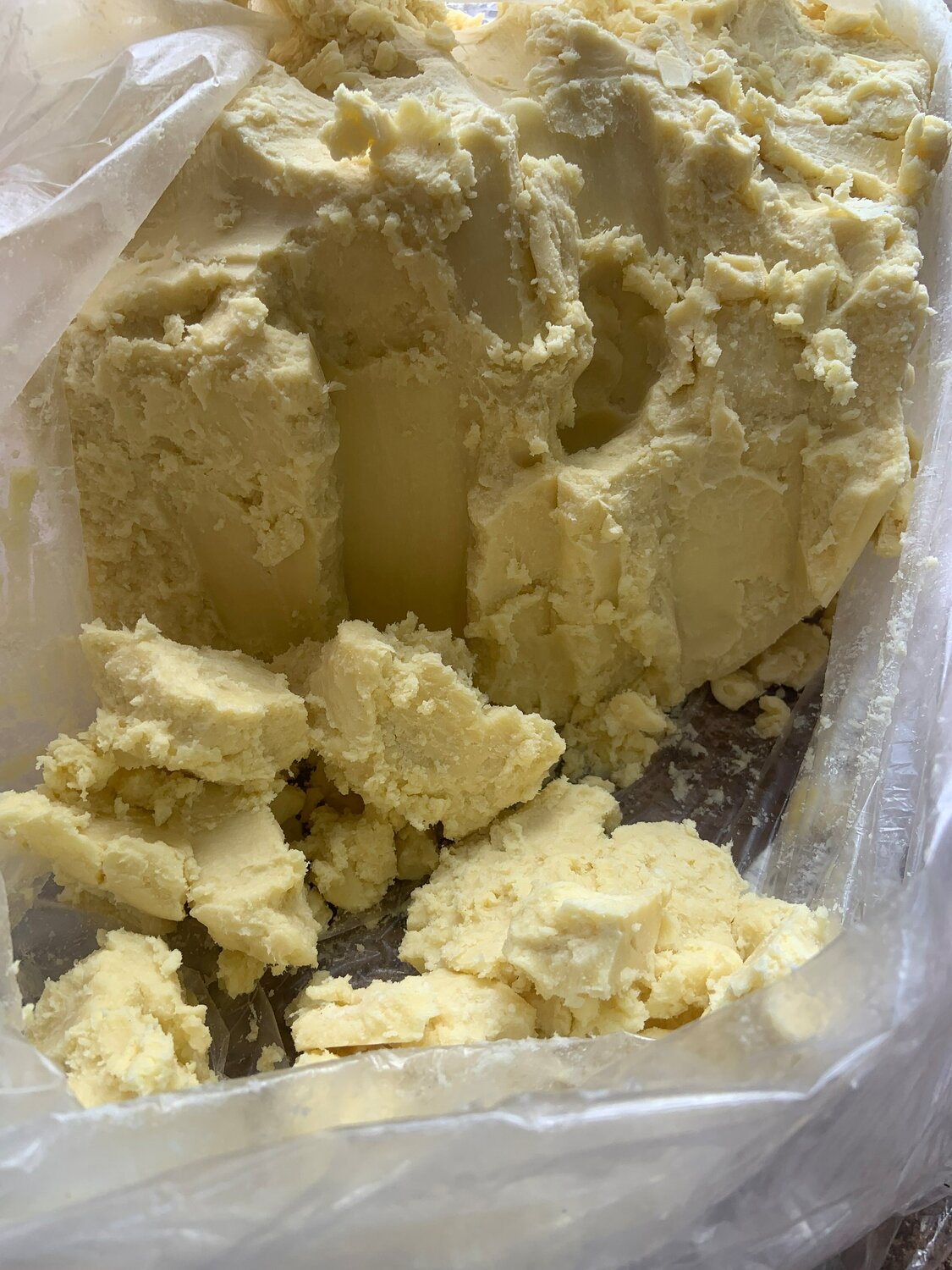
Raw and unrefined shea is often ivory to grayish yellow. It is solid at room temperature and can have a nutty aroma. It will begin to melt from body heat and can be an unaltered moisturizer. A little goes a long way.
Shea can become even more luxurious when whipped with other oils into a smooth, creamy lotion. I like to combine two parts shea butter to one part each coconut oil and a liquid fat (jojoba, sweet almond, apricot, or even olive oil). For example add one cup shea butter to 1/2 cup coconut oil and 1/2 cup sweet almond oil. You can scale down or up as needed.
Heat the shea butter and coconut oil over a double boiler in a heatproof bowl. Allow both to melt before removing from the heat and adding your liquid oil. Cover and chill the blend in the fridge. This will let the mixture start to firm up and begin to return to a more solid state.
Caution: Whipping the mixture by hand will be difficult. Opt for a hand mixer or a stand mixer instead. This forces air into the mixture, turning it into a light, fluffy cream.
Transfer the shea butter blend into wide-mouth jars with well-fitting lids. When stored in a cool, dark place, whipped shea butter can last for a few months. But I’ve not yet gotten to a point where it wasn’t used up before it could potentially go bad.
Essential oils can be used to scent the whipped shea butter to personal taste. Make extra for a luxurious DIY gift.
Note: While shea butter is derived from a tree nut, there are no known or documented allergic reactions to it. Use your own discretion or consult a medical professional if this is a concern.



