The fate of a few Northwest Philadelphia schools is still up the air after the Philadelphia Board of Education delayed the vote on a facilities plan last week.
The board announced before its Thursday meeting that it will push the vote on the district’s plan to April 30.
The plan, which would close 17 schools and modernize nearly 170 other buildings, includes closing Lankenau Environmental Science Magnet High School in Roxborough and moving it to W.B. Saul High School as an honors program. The district also plans to close Samuel Pennypacker School in West Oak Lane, Fitler Academics …
This item is available in full to subscribers.
You can also purchase this individual item for $1.50
We have recently launched a new and improved website. To continue reading, you will need to either log into your subscriber account, or purchase a new subscription.
If you are a digital subscriber with an active subscription, then you already have an account here. Just reset your password if you've not yet logged in to your account on this new site.
If you are a current print subscriber, you can set up a free website account by clicking here.
Otherwise, click here to view your options for subscribing.
Please log in to continue |




The fate of a few Northwest Philadelphia schools is still up the air after the Philadelphia Board of Education delayed the vote on a facilities plan last week.
The board announced before its Thursday meeting that it will push the vote on the district’s plan to April 30.
The plan, which would close 17 schools and modernize nearly 170 other buildings, includes closing Lankenau Environmental Science Magnet High School in Roxborough and moving it to W.B. Saul High School as an honors program. The district also plans to close Samuel Pennypacker School in West Oak Lane, Fitler Academics Plus and Parkway Northwest High School in Germantown.
“It has been heartbreaking to see high-quality schools like Lankenau and any in the Northwest put on the chopping block,” Rep. Tarik Khan, who represents Roxborough and parts of Chestnut Hill, told the Local in a statement. “Lankenau has a 100% graduation rate and some of the brightest students and strongest educators in the city, all in an environmental setting that is unequaled.”
“Closing schools like these simply makes no sense,” he added. “Delaying the vote was the right call, and what me and my fellow lawmakers have been calling on from the start. Now let’s slow down, take a real look at what’s working, and not shut down schools that are helping our kids succeed.”
Superintendent Tony Watlington proposed several revisions to the facilities plan last Monday.
These revisions include keeping the property of Lankenau High as an environmental education center “for use by all District students, given the access to The Schuylkill Environmental Center of Education.” The district originally planned to give the land to the city for affordable housing or job creation.
The board delayed the vote on Watlington’s proposal in response to community feedback.
“We recognize that the future of our school facilities is a matter of significant interest that requires the highest level of collaboration,” Reginald Streater, the board’s president, said in the statement to Chalkbeat Philadelphia. “In the spirit of partnership, we are taking this time to ensure our stakeholders understand the proposal” before the vote.
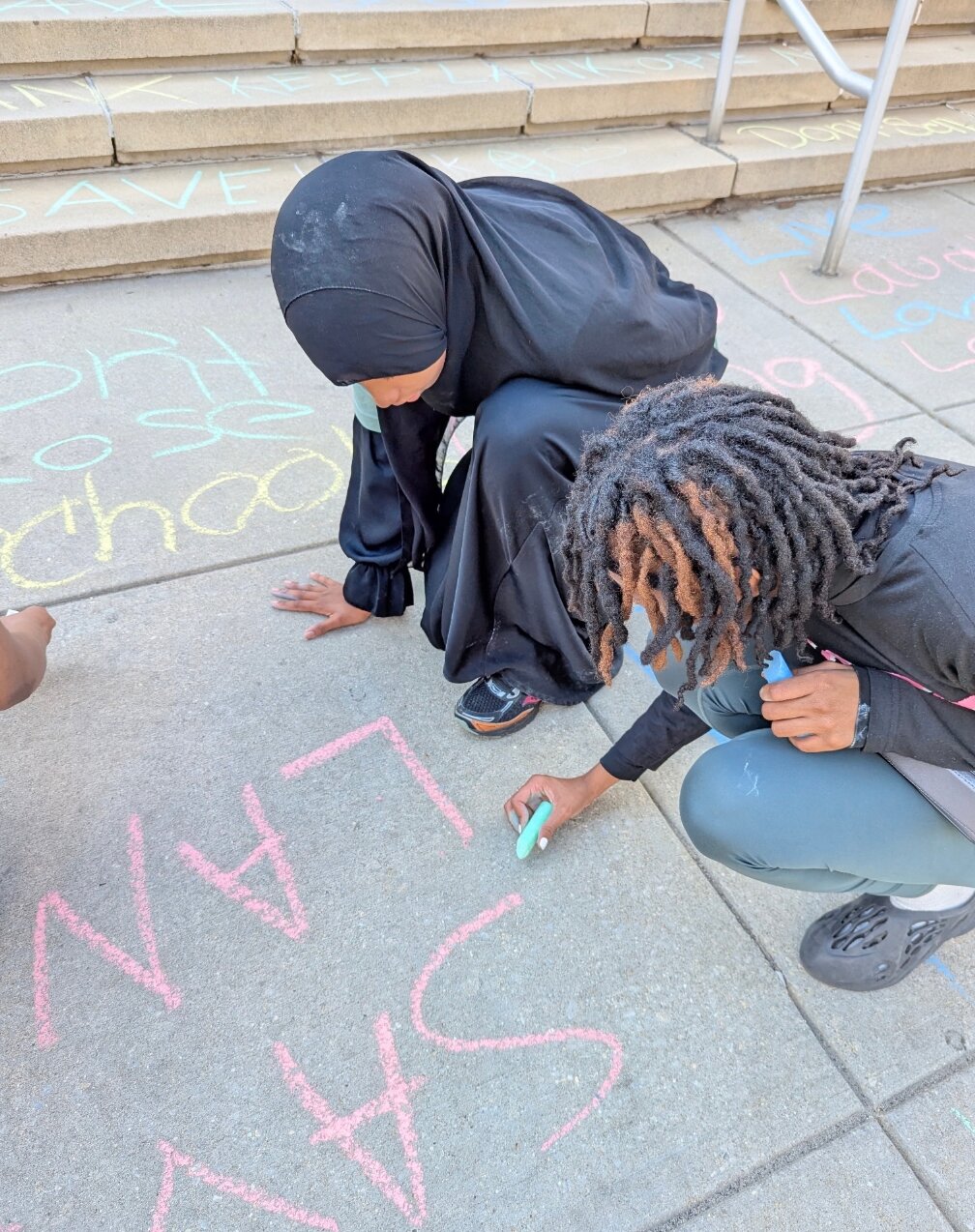
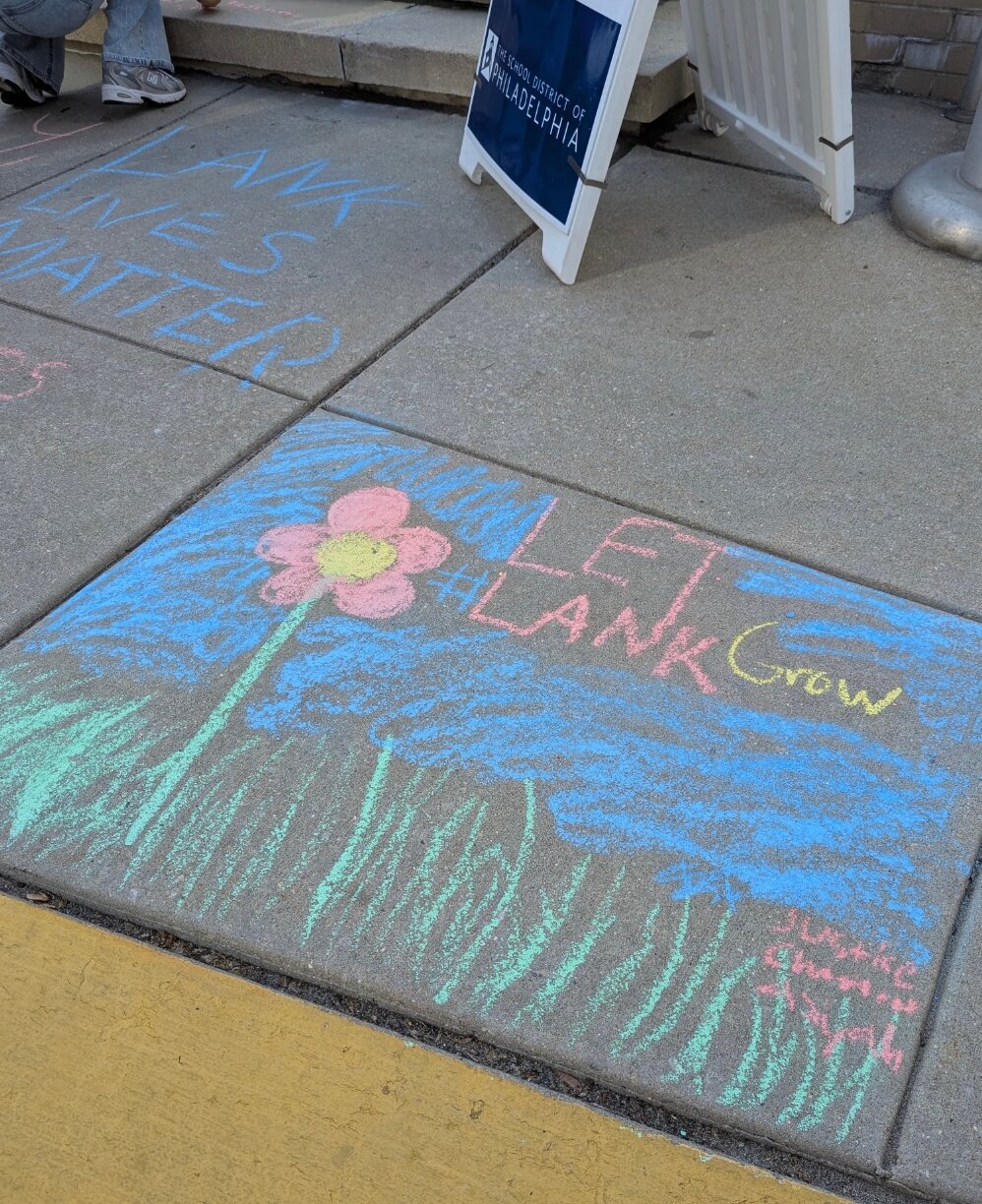
The decision comes after city councilmembers, led by Isaiah Thomas, demanded the board pause the vote to give community members time to digest the final proposal. Last week, several criticized the plan at hearings and at a press conference at Lankenau.
“You’re not getting my vote unless you fix this situation at Lankenau,” said City Councilmember Curtis Jones Jr., who represents Roxborough. “I love you, President Streater, but don’t make me show you: mess around and find out.”
Speakers also included Dr. Robin Cooper, president of Local 502 CASA; Lankenau Principal Jessica Naugle McAtamney; State Rep. Khan; State Rep. Morgan Cephas and city councilmembers Thomas, Jamie Gauthier, Nina Ahmad and Nicolas O’Rourke.
More protection for Lankenau
Earlier this month, a few councilmembers took further action to protect Lankenau, the city’s only environmental magnet school.
Jones, Thomas and Ahmad introduced legislation to change the zoning of the area in which Lankenau sits to be used for the “development and preservation of public-serving institutions.” The legislation was referred to committee by council president Kenyatta Johnson.
Councilmembers introduced it before Watlington changed the district’s plans to preserve the land for environmental education.
Ahmad told the Local that the zoning maps will be developed by the planning department and revealed by a hearing on May 13. Ahmad, who has three interns from Lankenau on her team, said that as a scientists, she feels it’s important to train the next generation of environmental stewards. The work students do at Lankenau is unlike any done in the state, she said.
“It is making zero sense why they’re targeted,” she said. “Except for ego or some other nefarious plan that we are not aware of, I do not understand why Lankenau is on the chopping block.”
Another potential protection for Lankenau is a 1973 legal agreement that states the neighboring Schuylkill Center for Environmental Education has the right to repurchase the property if it’s used for anything other than a school. Ahmad said the zoning legislation acts as second line of defense after the Schuylkill Center deed.
Amy Szymanski, special education compliance monitor and assessment coordinator at Lankenau, said she’s grateful for the legislation and it’s been phenomenal to see all the support from city council and community members. But she said Lankenau community members won’t be satisfied until the school is off the closing list.
“Thank you for celebrating us and thank you for making these moves, but at the same time we’re still not sure what our future holds for the students and the school,” she said.
Ahmad said the board made the right call postponing the vote. However, she’s skeptical that a week is enough time for the district to address concerns councilmembers and the public have been raising for months, she said.
She said in an interview with the Local on Tuesday that the district should present a budgetary analysis of each school to explain why they are on the chopping block.
“We ask our children to show their work. They need to show their work,” she said.



